Electrical panel upgrades in Liberty Wells
Liberty Wells is a walkable neighborhood south of downtown Salt Lake City. A panel project here is usually about early-twentieth-century housing meeting modern loads, not about a neighborhood-specific electrical code.
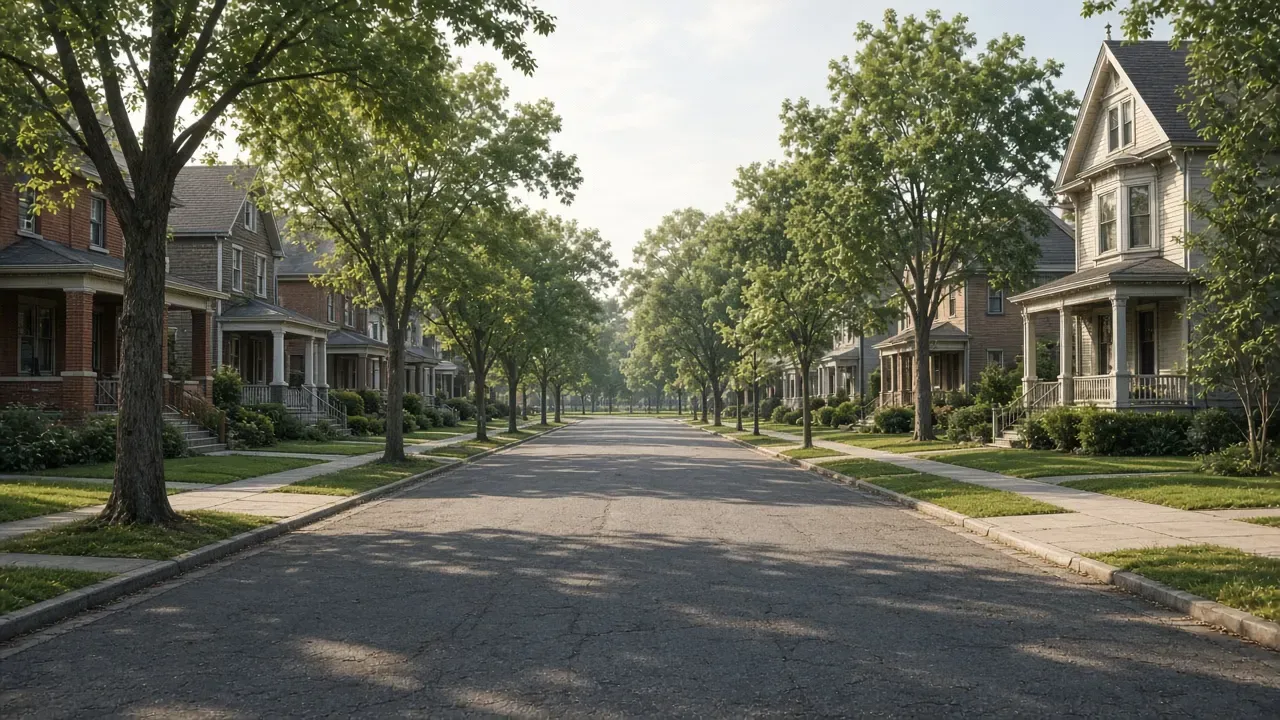
The Liberty Wells Community Council, a neighborhood organization since 2001, defines the area as 900 South to 2100 South, from State Street to 700 East. Salt Lake City’s District 5 page places the neighborhood near Liberty Park, Sugar House, the 9th & 9th business district, and downtown. The same page traces the land to the mid-nineteenth-century “Big Field” and says the area became one of the city’s early streetcar suburbs.
Housing stock and the historic district
Most homes, according to the city, are bungalows and Victorian-style houses built between the late 1800s and the 1920s, with a few later houses. The National Register nomination for the 2011 boundary increase describes a residential area immediately west of Liberty Park, developed as a streetcar suburb, with a period of significance from 1871 to 1961. City text says Liberty Wells was classified as a historic district on the National Register in 2010 and that 1,923 buildings in the neighborhood are considered historic structures, most of them privately owned homes. This site has not independently counted those buildings; the figure is the city’s published number.
That history matters for electrical work because many of those houses were wired before 200-amp services and large 240-volt loads were typical. It does not tell you what is in your basement today.
What this usually looks like on a Liberty Wells house
This site does not invent a list of completed jobs. Common questions in this housing stock include:
- Is the service still 60 amps or 100 amps, and is the equipment a fuse box?
- Has an inspector or insurer asked about a Federal Pacific or Zinsco breaker panel?
- Is a kitchen remodel, a heat pump, or a Level 2 EV charger the reason you are looking at capacity now?
Permits, utility, and cost context
Liberty Wells is inside Salt Lake City, so Building Services issues the electrical permit through slcpermits.com. Most addresses are on Rocky Mountain Power; utility personnel handle a physical meter disconnect. Published citywide ranges — often about $2,000–$4,500+ for a typical residential upgrade, with more room in the budget if the meter base or mast is included — still apply. There is no official Liberty Wells price list. See the cost guide, the permits guide, and the guides hub. Nearby: Sugar House and the Avenues.
Frequently asked questions
What are the Liberty Wells boundaries?
The Liberty Wells Community Council describes the neighborhood as the area between 900 South and 2100 South, from State Street to 700 East. Always confirm a specific address in city limits and on the utility bill before a permit or disconnect is scheduled.
Who issues the electrical permit in Liberty Wells?
If the address is inside Salt Lake City, Salt Lake City Building Services issues the electrical permit through the Citizen Access Portal at slcpermits.com. The neighborhood does not have a separate electrical department.
Is Liberty Wells a historic district?
Yes, in part. The Wells Historic District was listed on the National Register of Historic Places in 2010, and a 2011 boundary increase expanded and renamed it the Liberty Wells Historic District. Salt Lake City’s District 5 neighborhood page notes that listing and says 1,923 buildings in the neighborhood are considered historic structures, most of them privately owned homes. Historic status can affect exterior work; it does not replace a load calculation.
Do bungalows here usually need a 200-amp panel?
Not automatically. Most homes in Liberty Wells are bungalows and Victorian-style houses built between the late 1800s and the 1920s, with some later houses. That age often means a 60-amp or 100-amp service, but only a load calculation on your house can say whether it should be enlarged.
Request a quote
A local licensed electrician can look at your panel, service, and planned loads and give you a written scope. There is no obligation to hire anyone.